Tracking your cycle can feel like solving a complex puzzle, especially when you hit 11 days post-ovulation (DPO). If you are a Bellabeat user, you know that this specific window is the "make or break" moment for early pregnancy detection. While many rely solely on standard testing, there are subtle physiological clues tucked away in your data that can signal what’s happening behind the scenes.
Understanding the 11 DPO Milestone
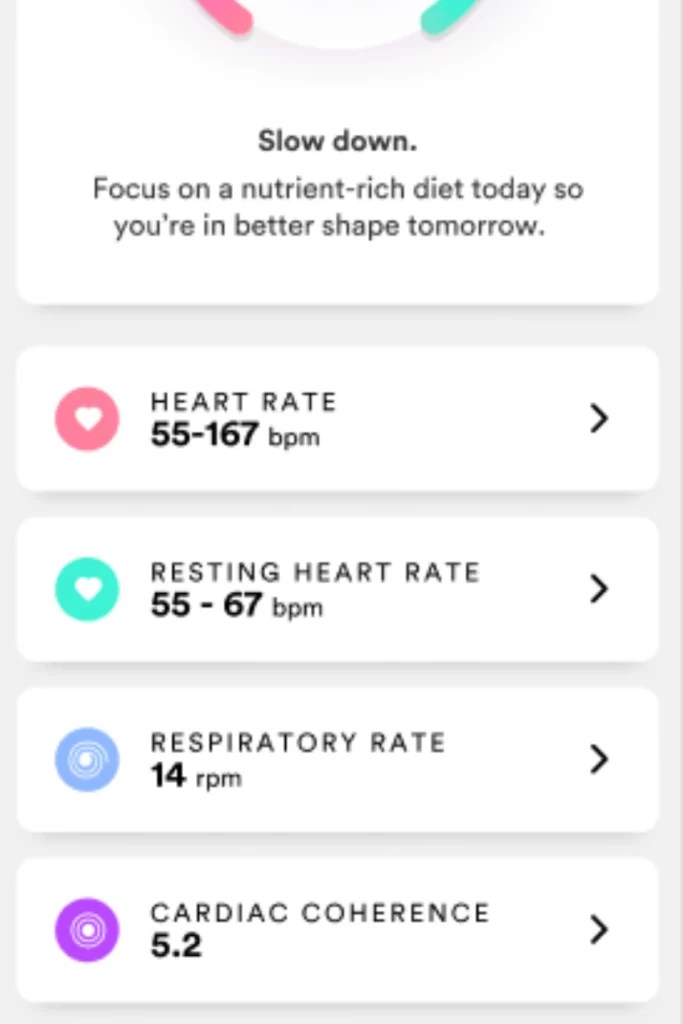
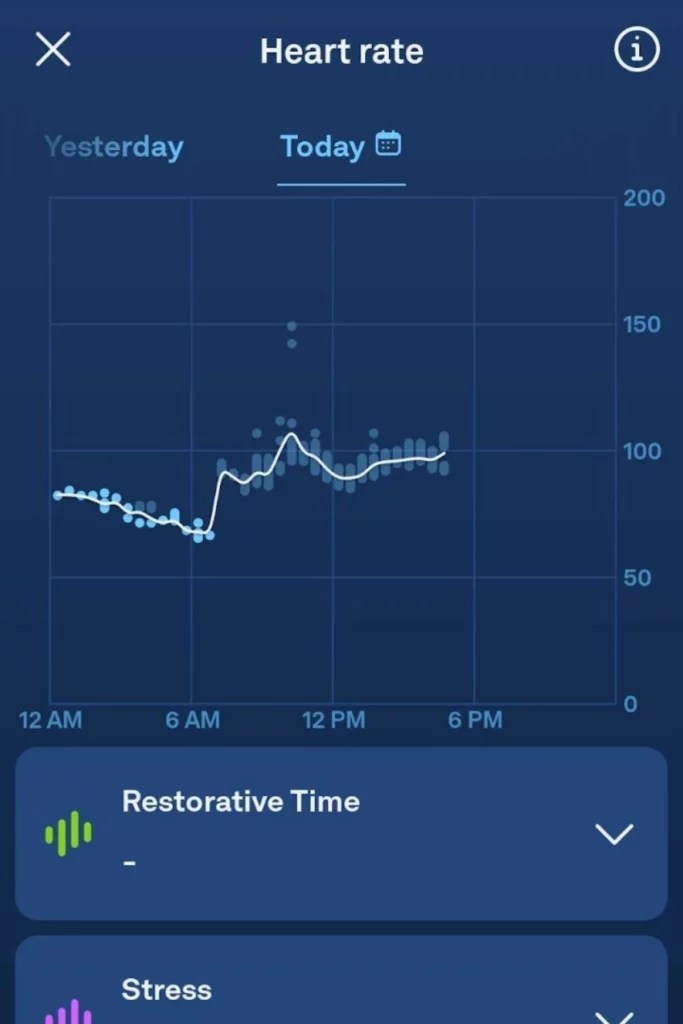
At 11 DPO, your body is nearing the end of the luteal phase. If fertilization occurred, your body is currently producing rising levels of hCG. Bellabeat’s advanced metrics—specifically resting heart rate (RHR) and respiratory rate—often show distinct patterns during this time. A sustained elevation in your RHR that doesn't dip as you approach your expected period can be a significant indicator that your body is working harder to support a potential pregnancy.
The Secret You Didn’t See Coming
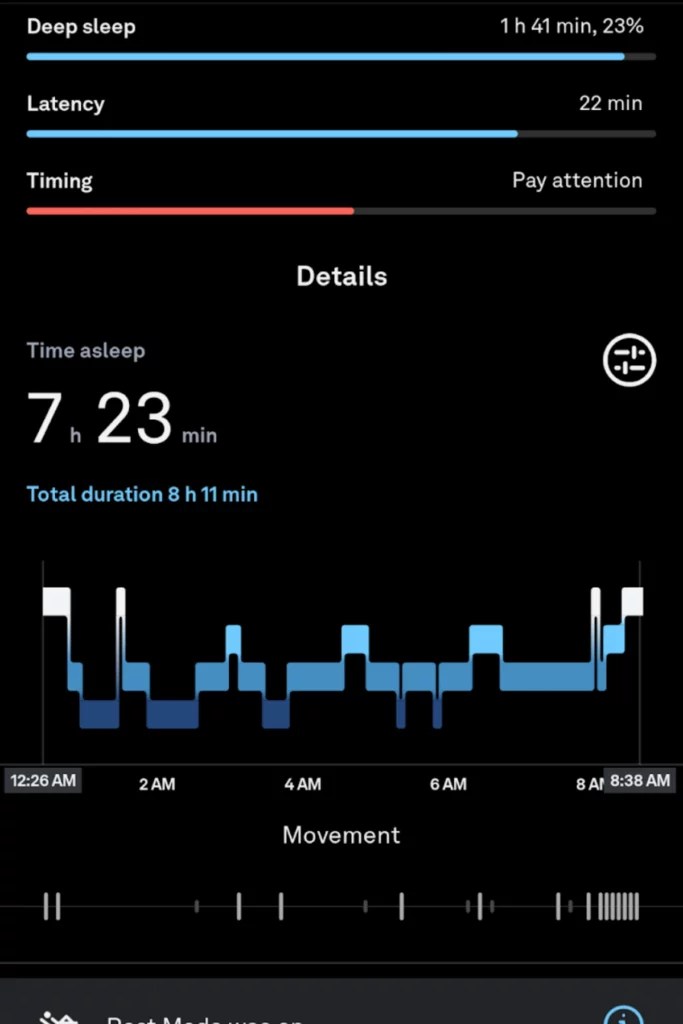
The most surprising insight for Bellabeat users isn't just about heart rate; it is the "Stress Sensitivity" metric. Many users report that their readiness scores shift drastically at 11 DPO due to hormonal shifts, even if they aren't feeling physically stressed. The real secret? Your sleep quality often takes a slight, temporary dip at 11 DPO due to the surge in progesterone. Instead of viewing this as poor sleep, experienced trackers recognize this "progesterone spike" as a potential sign of implantation success. By cross-referencing your sleep logs with your cycle tracking, you can spot these subtle biometric whispers long before a traditional test confirms the news. Remember, data is a tool for empowerment—stay patient, keep tracking, and listen to what your body is telling you.
Related Posts: