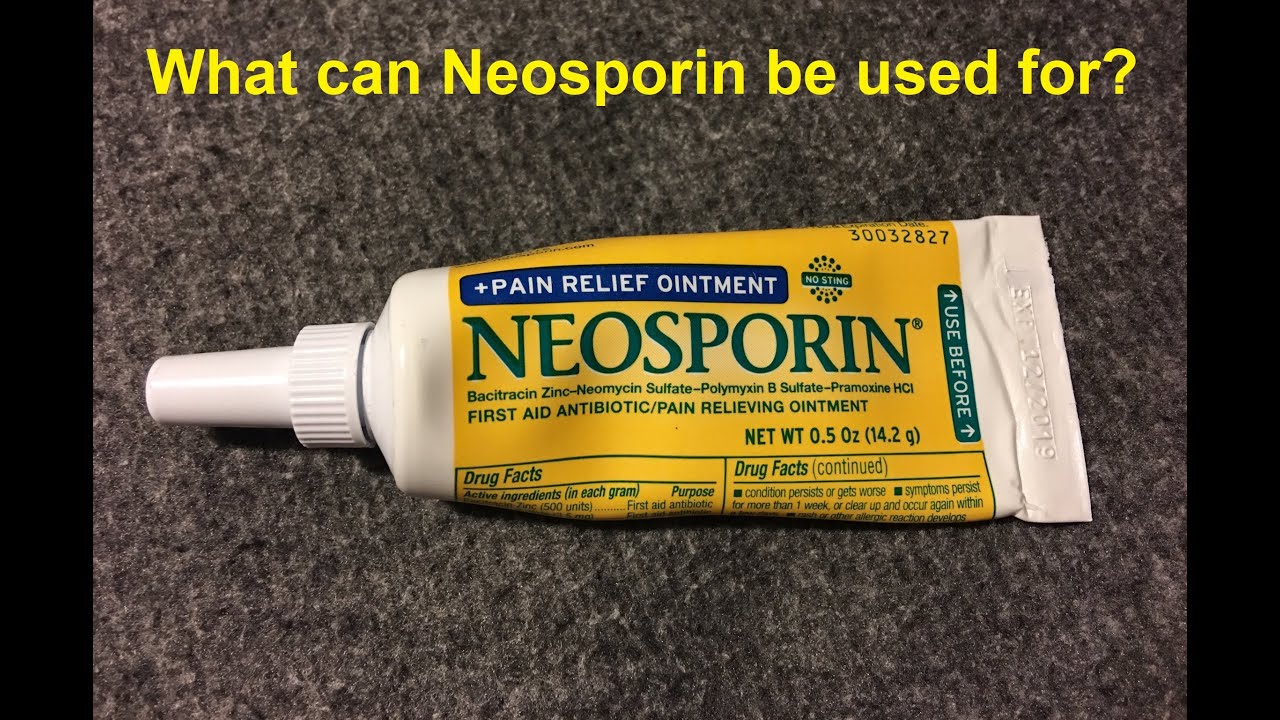
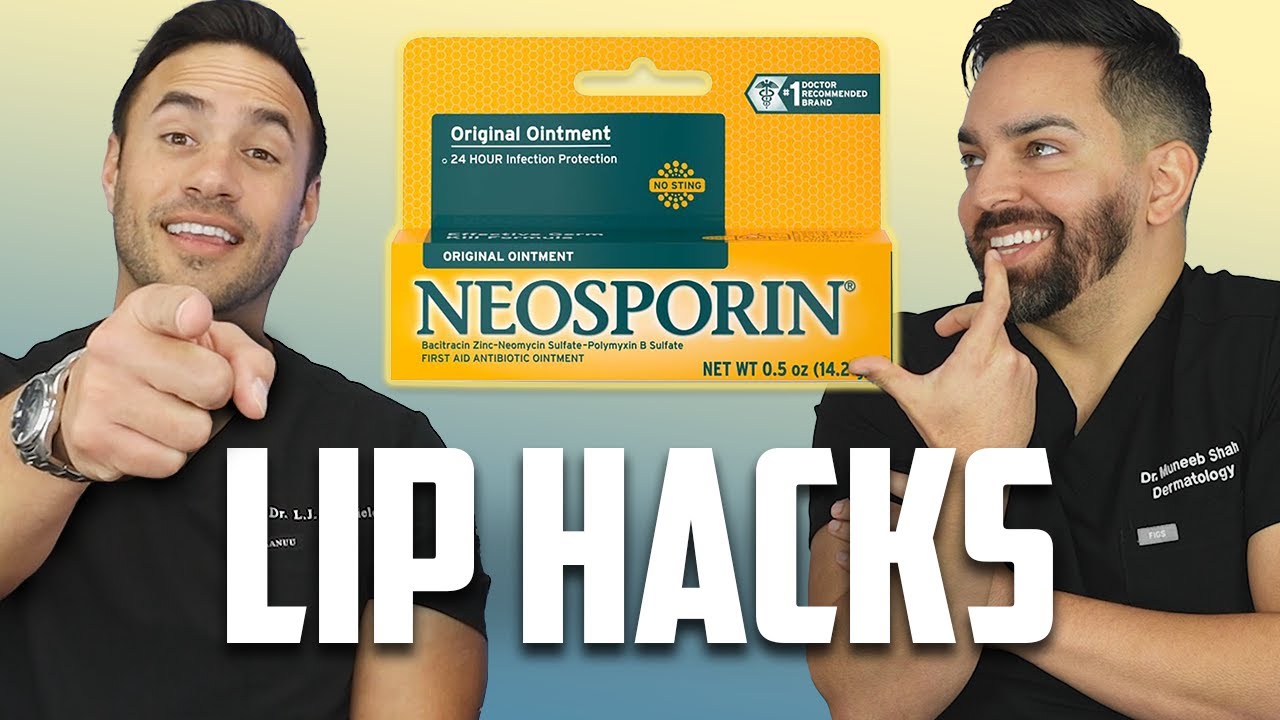
If you are dealing with dry, cracked, or irritated lips, you might be tempted to reach for the tube of Neosporin in your medicine cabinet. While it is a staple for treating minor cuts and scrapes, using it on your lips requires a bit of caution. The short answer is that while it is generally not toxic if a tiny amount is accidentally ingested, it is not the ideal long-term solution for lip care.
Understanding the Ingredients
Neosporin contains three active antibiotics: bacitracin, neomycin, and polymyxin B. These are designed to prevent infection in open wounds. If your lips are just chapped, peeling, or suffering from minor windburn, there is no infection present, meaning the antibiotics are unnecessary. In fact, frequent use of antibiotic ointments on healthy skin can sometimes lead to contact dermatitis—a red, itchy rash—or contribute to antibiotic resistance over time.
Better Alternatives for Lip Health
If your lips are cracked or bleeding, they need moisture and a protective barrier, not antibiotics. Instead of Neosporin, look for products containing occlusives like white petrolatum (plain petroleum jelly), beeswax, or shea butter. These ingredients seal in moisture and protect the delicate skin barrier without the risk of irritation from unnecessary medication.
If you suspect your lip irritation is caused by an infection, such as angular cheilitis (cracks at the corners of the mouth) or a cold sore, it is best to consult a pharmacist or doctor. They can recommend a targeted treatment, such as an antifungal or antiviral cream, which will be far more effective than a general antibiotic ointment. For everyday dryness, stick to a simple, fragrance-free lip balm to keep your smile healthy and hydrated.
Related Posts: